Data Cables are essential components in modern technology, used to transfer data and power between devices such as smartphones, computers, cameras, printers, and networking equipment. With rapid technological advancement, choosing the right data cable is crucial for achieving fast data transfer and stable performance.
Data cables are specially designed cables used to transfer digital information between two or more devices. Many data cables also support power transmission for charging. They vary in connector type, speed, quality, and usage.
USB Cables (Universal Serial Bus)
USB cables are the most commonly used data cables. They include USB-A, USB-B, USB-C, and Micro USB. Data transfer speed depends on the USB version such as USB 2.0, USB 3.0, USB 3.1, and USB 4.
USB Type-C Cable
USB-C is the latest generation of data cables, supporting high-speed data transfer, fast charging, and even video and audio transmission.
Lightning Cable
Designed specifically for Apple devices like iPhone and iPad, known for its compact and reversible design.
Ethernet Cables
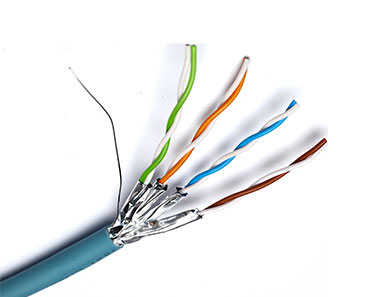
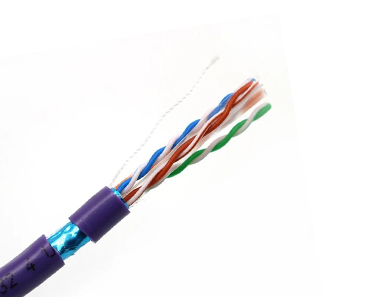
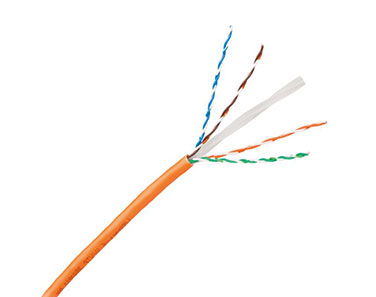
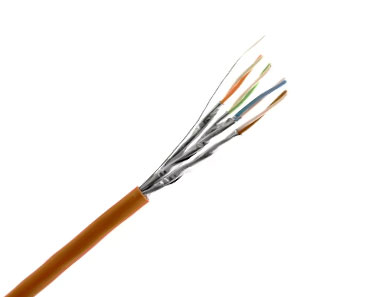
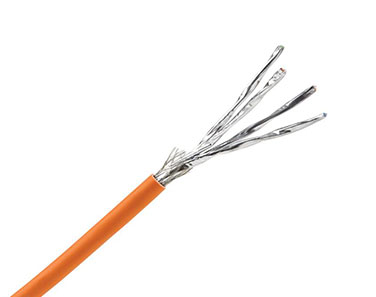
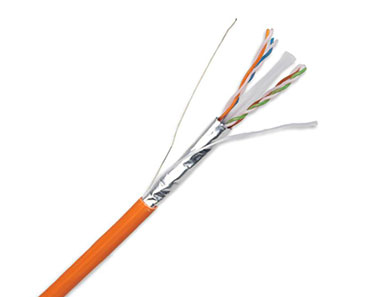
Used for wired network connections, including Cat5e, Cat6, and Cat7 cables, providing stable and fast internet connectivity.
HDMI and DisplayPort Cables
Used to transmit high-quality audio and video data between computers, monitors, TVs, and projectors.
Importance of High-Quality Data Cables
Faster data transfer speeds
Device protection and safety
Longer cable lifespan
Support for fast charging and stable connections
How to Choose the Right Data Cable
When selecting a data cable, consider:
Using high-quality data cables improves device performance, reduces connection issues, and ensures reliable data transfer and charging.

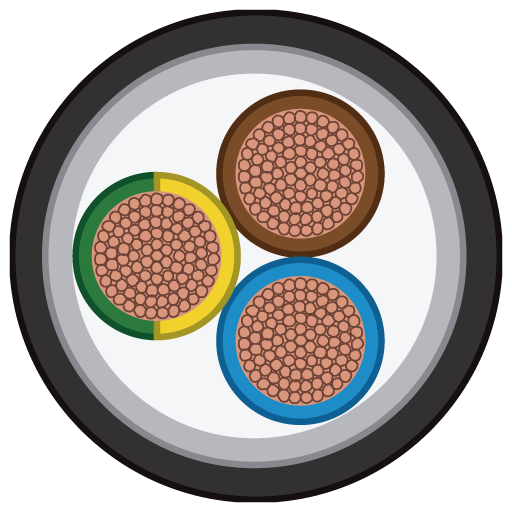 VFD Cables
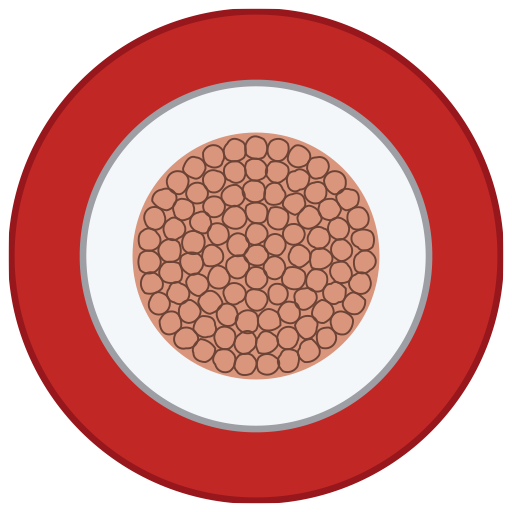 Solar Cables
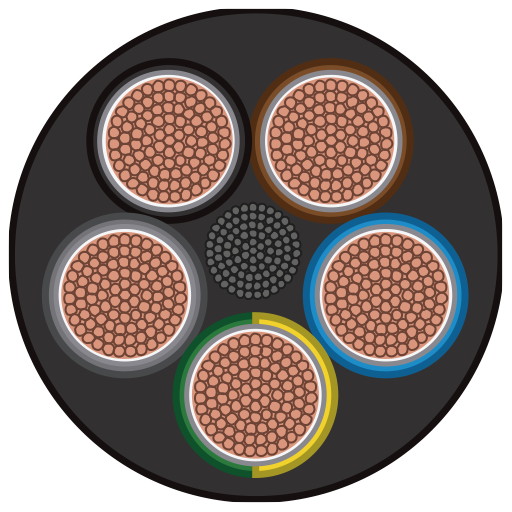 Rubber Cables
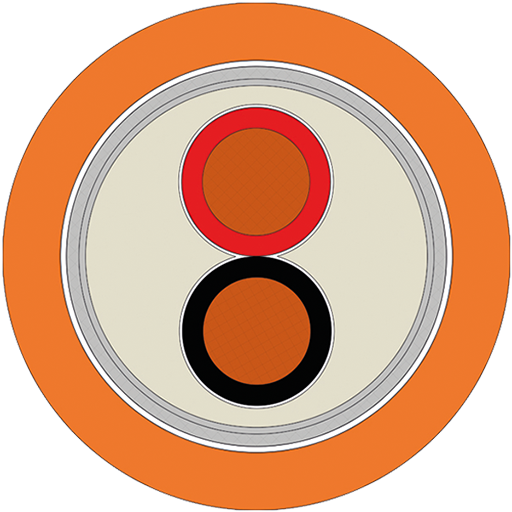 Pair Cables
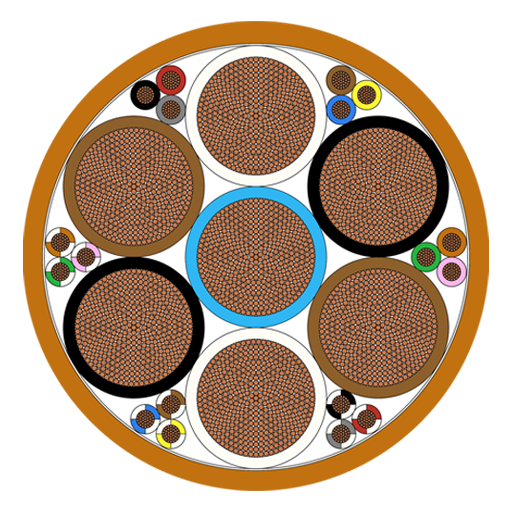 Data Network Passive System
 Multi Core Cables
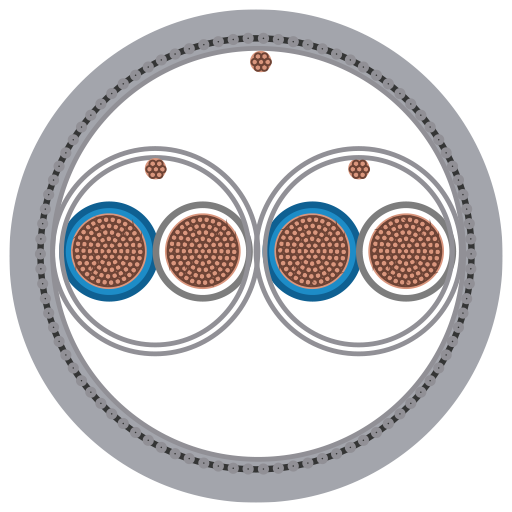 Marine Cables
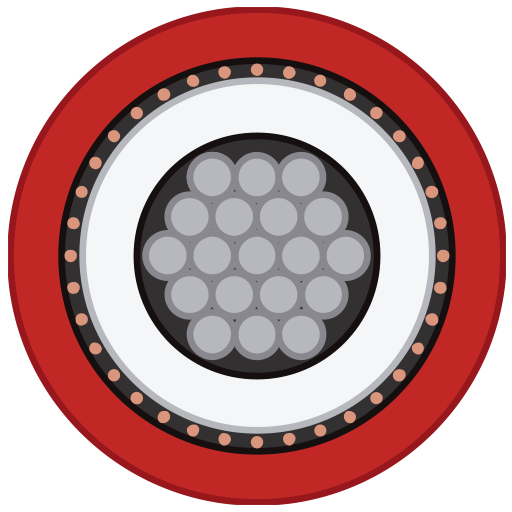 LSZH Cables
 Fire Resistent Cables
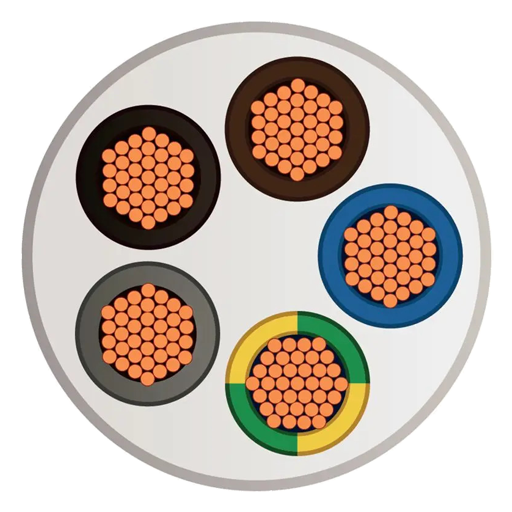 Industrial Cables
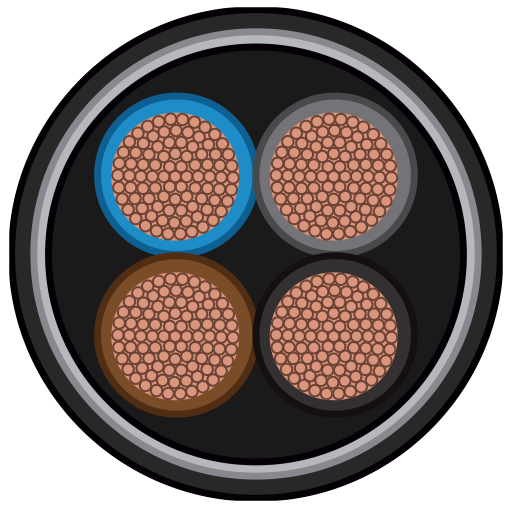 Fire Alarm Cable
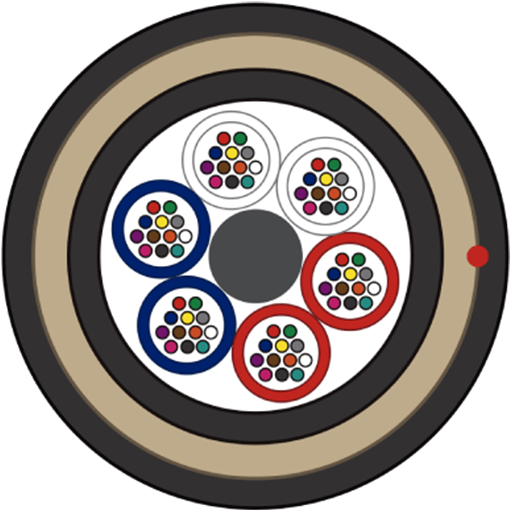 Fiber Optic Cables
 Data Cable
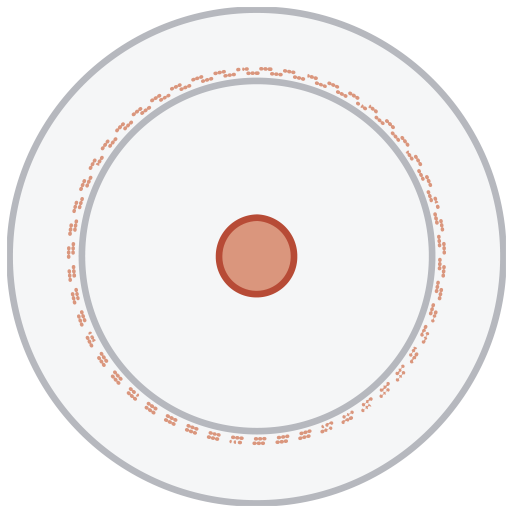 Coaxial Cables