 VFD Cables
 Solar Cables
 Rubber Cables
 Pair Cables
 Data Network Passive System
 Multi Core Cables
 Marine Cables
 LSZH Cables
 Fire Resistent Cables
 Industrial Cables
 Fire Alarm Cable
 Fiber Optic Cables
 Data Cable
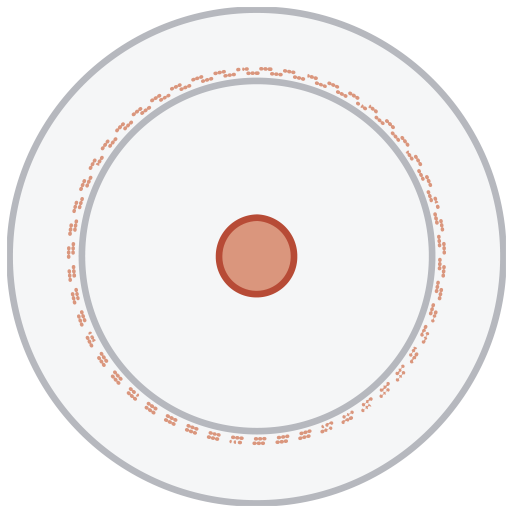 Coaxial Cables
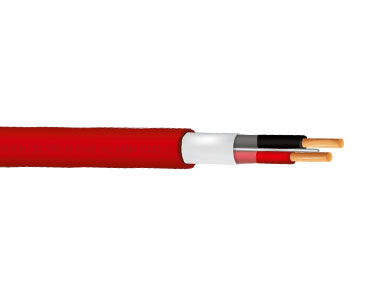
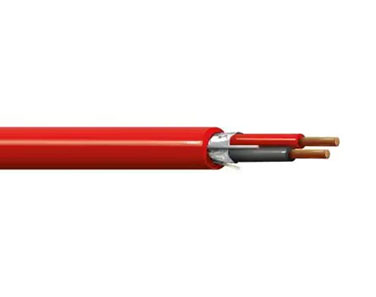
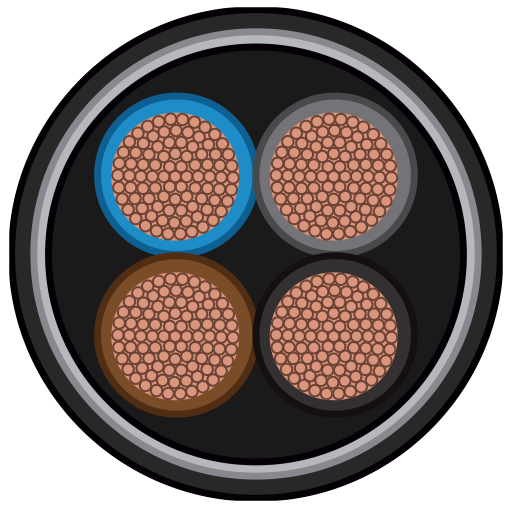
Fire Alarm Cables are critical components of fire detection and alarm systems in residential, commercial, and industrial buildings. Their primary role is to transmit alarm signals reliably during emergency situations, enabling fast response and enhancing life safety. With increasing fire safety regulations, the use of high-quality fire alarm cables has become essential.
What Are Fire Alarm Cables?
Fire Alarm Cables are specially designed cables used to connect fire alarm control panels, detectors, sounders, and notification devices. These cables are engineered to provide stable performance, flame resistance, and in some cases additional features such as LSZH or fire resistance depending on system requirements.
Importance of Fire Alarm Cables.
Reliable transmission of alarm signals.
Improved building safety and protection.
Compliance with fire safety regulations.
Reduced risk of system failure during emergencies.
Types of Fire Alarm Cables
Standard Fire Alarm Cables for general use.
LSZH Fire Alarm Cables for low smoke and zero halogen emission.
Fire Resistant Fire Alarm Cables for circuit integrity during fire.
Shielded Fire Alarm Cables to minimize electromagnetic interference.
Key Features of High-Quality Fire Alarm Cables.
Flame-retardant properties.
Strong and safe insulation.
Low smoke and toxic gas emission.
Long-term reliability and durability.
Compliance with international standards.
Applications of Fire Alarm Cables.
Residential fire alarm systems.
Shopping malls and hotels.
Hospitals and educational buildings.
Industrial facilities.
Airports and critical infrastructure.
How to Choose the Right Fire Alarm Cable
When selecting a fire alarm cable, consider:
System type and specifications.
Fire and smoke performance requirements.
Cable length and number of cores.
Shielding requirements.
Compliance with certified standards.