 VFD Cables
 Solar Cables
 Rubber Cables
 Pair Cables
 Data Network Passive System
 Multi Core Cables
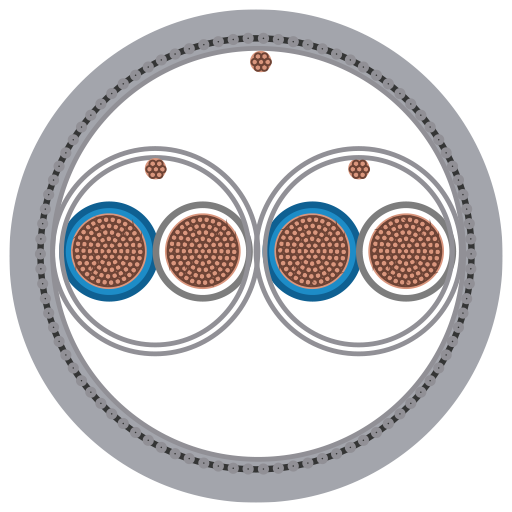 Marine Cables
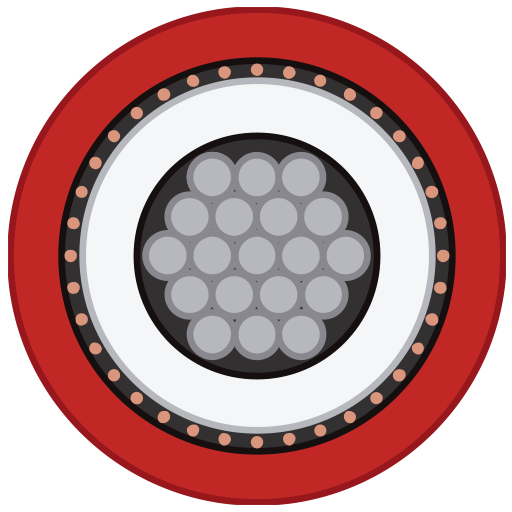 LSZH Cables
 Fire Resistent Cables
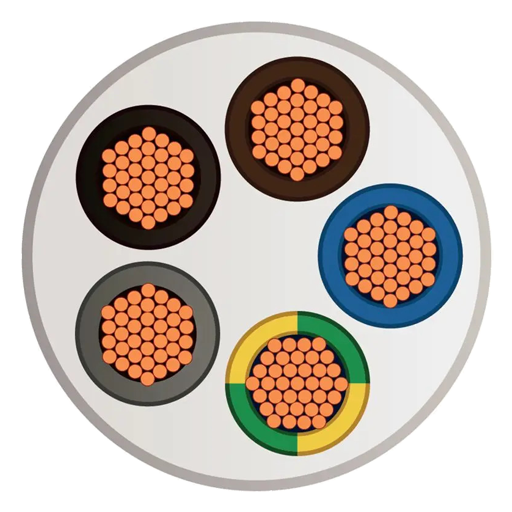 Industrial Cables
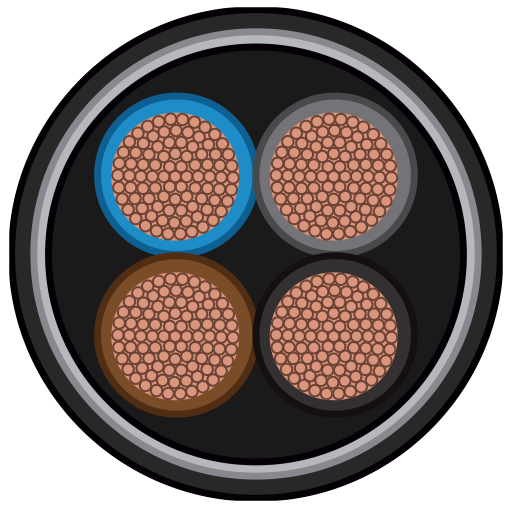 Fire Alarm Cable
 Fiber Optic Cables
 Data Cable
 Coaxial Cables
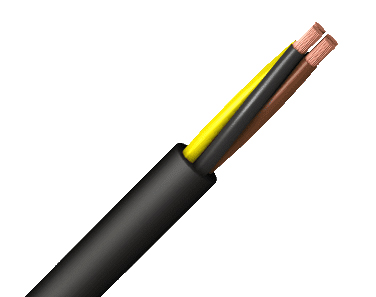
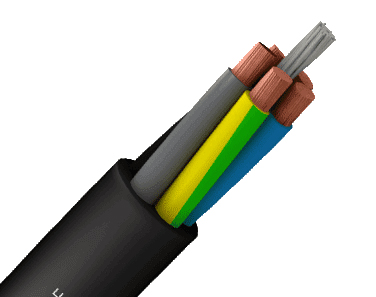
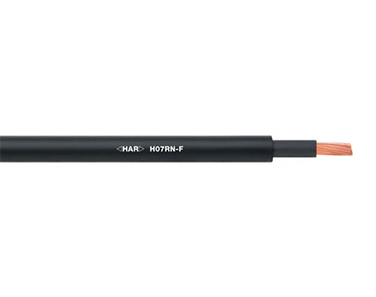
Rubber Cables are among the most widely used electrical cables in industrial and construction applications that require high flexibility, durability, and safety. Due to their ability to withstand harsh environments such as heat, moisture, oils, and mechanical stress, rubber cables are a preferred choice in many industries.
What Are Rubber Cables?
Rubber cables are electrical cables insulated with high-quality rubber compounds such as EPR or Neoprene. They offer excellent flexibility and resistance to mechanical impact, making them ideal for applications where standard PVC cables are not suitable.
Importance of Rubber Cables in Industrial Applications
Withstand harsh operating conditions.
High flexibility for continuous movement.
Enhanced safety against cracking and damage.
Long service life even under heavy-duty use.
Key Features of High-Quality Rubber Cables
Excellent heat resistance up to 90°C or higher.
High resistance to oils, grease, and chemicals.
Superior flexibility even at low temperatures.
Strong resistance to vibration and mechanical stress.
Compliance with international standards.
Applications of Rubber Cables
Construction and building sites.
Industrial machinery and equipment.
Power stations and generators.
Cranes and hoists.
Mobile and temporary power systems.
How to Choose the Right Rubber Cable
When selecting a rubber cable, consider:
Operating voltage and current.
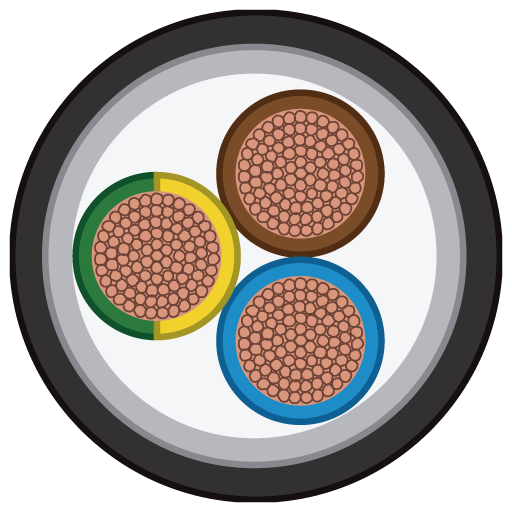
Number of cores and cross-sectional area.
Type of rubber insulation.
Environmental conditions (heat, oil, movement).
Compliance with certified standards.