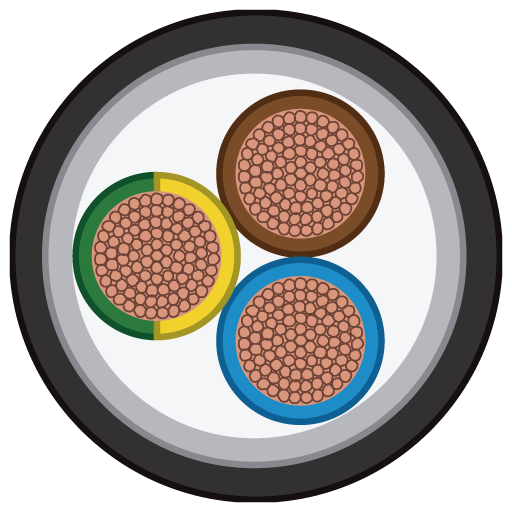
 VFD Cables
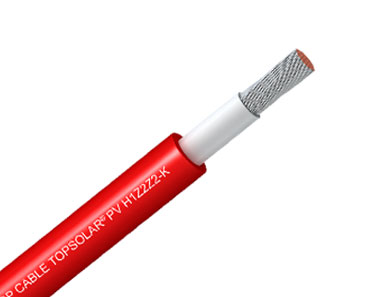
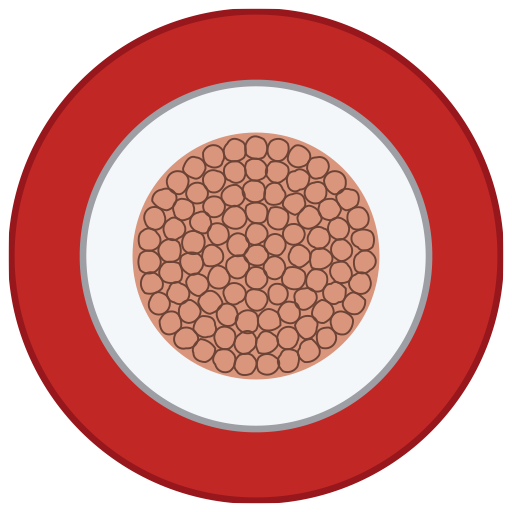 Solar Cables
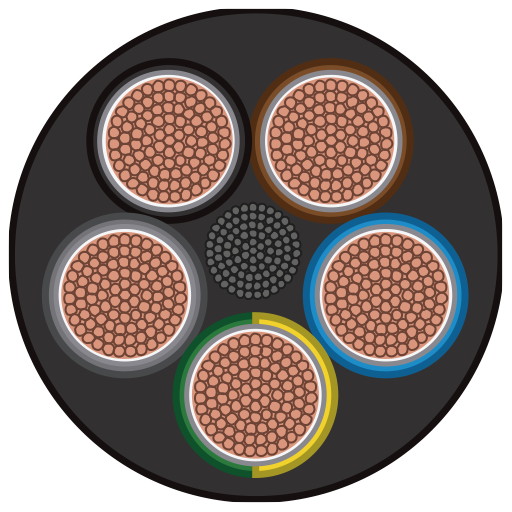 Rubber Cables
 Pair Cables
 Data Network Passive System
 Multi Core Cables
 Marine Cables
 LSZH Cables
 Fire Resistent Cables
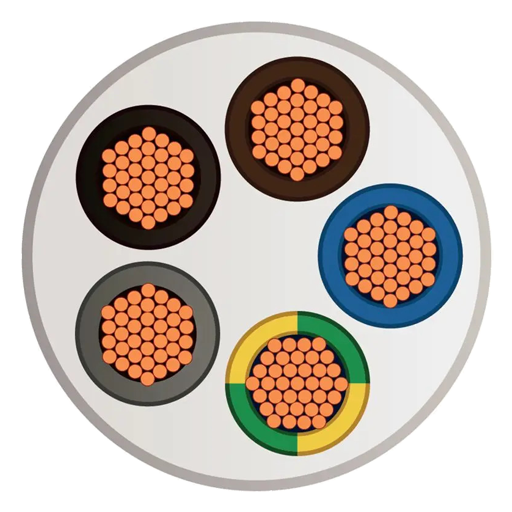 Industrial Cables
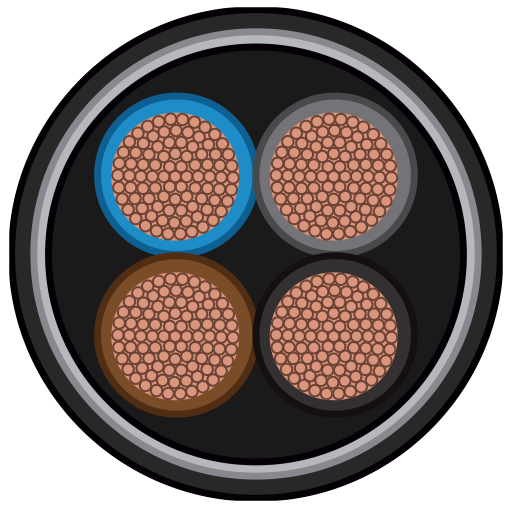 Fire Alarm Cable
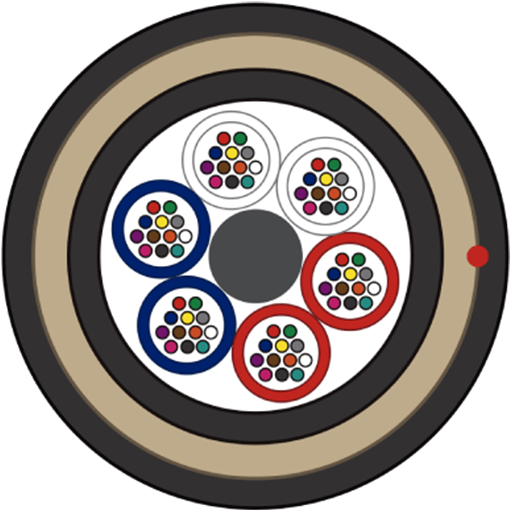 Fiber Optic Cables
 Data Cable
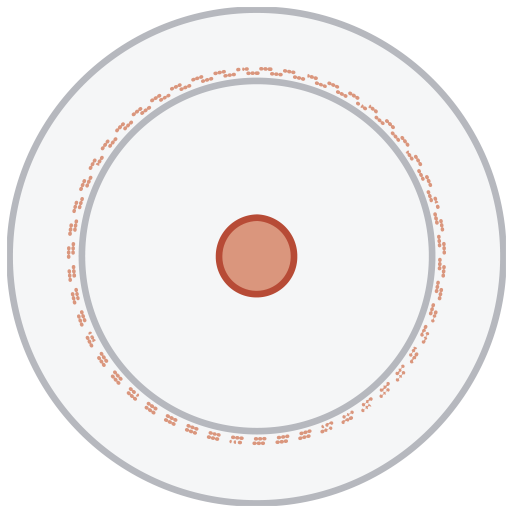 Coaxial Cables
With the rapid expansion of solar energy projects worldwide, Solar Cables have become a critical component in ensuring the efficiency, safety, and durability of photovoltaic (PV) systems. Choosing the right solar cable directly impacts system performance, energy transmission efficiency, and long-term reliability.
What Is a Solar Cable?
A Solar Cable is a specially designed electrical cable used to connect solar panels (PV modules) to inverters and other system components. These cables are engineered to withstand harsh outdoor conditions, including UV radiation, high temperatures, moisture, and weather exposure.
Importance of Solar Cables in PV Systems
Efficient power transmission with minimal energy loss.
Resistance to harsh environmental conditions.
Enhanced system safety and reduced fire risks.
Extended lifespan of solar power systems.
Key Features of High-Quality Solar Cables
Double insulation with UV resistance.
High temperature resistance up to 120°C.
Water, moisture, and oil resistance.
High flexibility for easy installation.
Compliance with international standards such as IEC and TÜV.
Applications of Solar Cables
Large-scale solar power plants.
Residential solar systems.
Commercial and industrial PV projects.
Solar-powered irrigation systems.
Desert and outdoor solar installations.
How to Choose the Right Solar Cable
When selecting a solar cable, consider:
Rated voltage and current.
Conductor cross-sectional area (mm²).
Insulation type and quality.
UV and weather resistance.
Compliance with certified international standards.