 VFD Cables
 Solar Cables
 Rubber Cables
 Pair Cables
 Data Network Passive System
 Multi Core Cables
 Marine Cables
 LSZH Cables
 Fire Resistent Cables
 Industrial Cables
 Fire Alarm Cable
 Fiber Optic Cables
 Data Cable
 Coaxial Cables
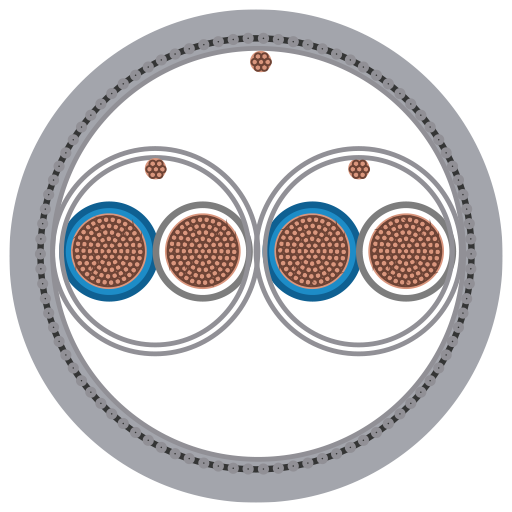
Marine Cables are critical components of electrical systems used in ships, offshore platforms, ports, and coastal facilities. These cables are specifically engineered to operate reliably in harsh marine environments characterized by high humidity, saltwater exposure, vibration, and fire risks.
What Are Marine Cables?
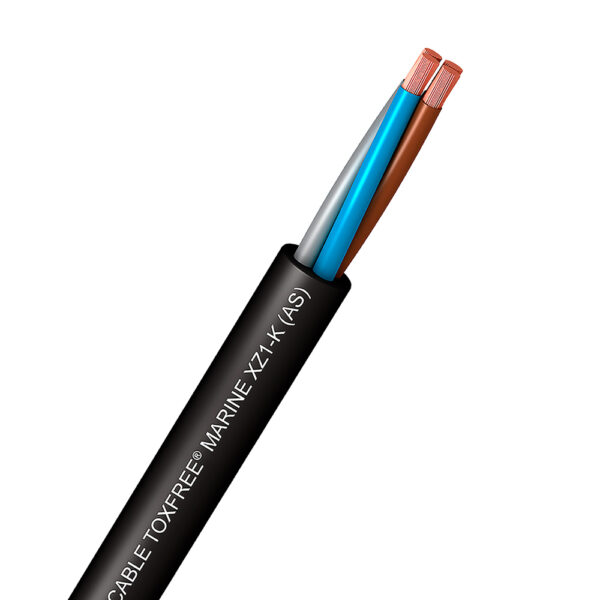
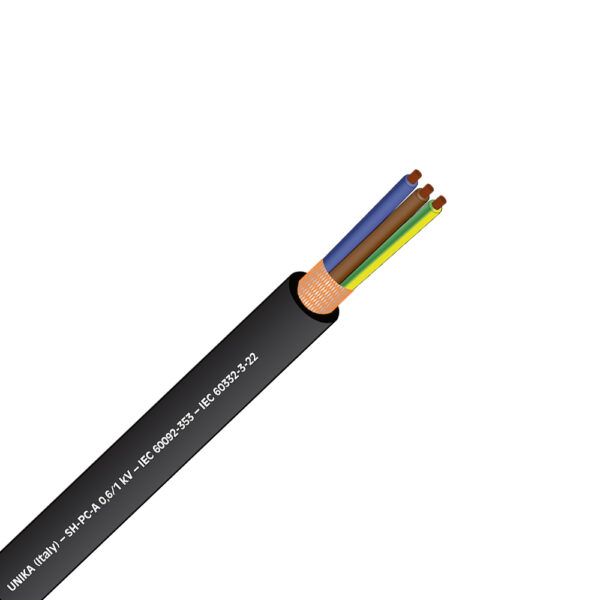
Marine cables are specialized electrical cables designed for marine and offshore applications. They feature robust insulation and sheathing materials that resist saltwater, oils, chemicals, and mechanical stress, while also meeting strict fire safety requirements such as low smoke and halogen-free performance.
Importance of Marine Cables in Marine Applications
Resistance to harsh marine conditions including moisture and salinity.
High fire safety standards (Low Smoke Zero Halogen).
Stable electrical performance under vibration and movement.
Extended service life of marine electrical systems.
Key Features of High-Quality Marine Cables
Excellent resistance to saltwater and humidity.
Oil, fuel, and chemical-resistant insulation.
Fire-resistant and low-smoke properties.
High flexibility for easy onboard installation.
Compliance with international marine standards.
Applications of Marine Cables
Commercial and cargo ships.
Cruise ships and yachts.
Offshore oil and gas platforms.
Ports and marine terminals.
Marine lighting and control systems.
How to Choose the Right Marine Cable
When selecting a marine cable, consider:
Application type (power, control, signal).
Operating voltage and number of cores.
Fire resistance and smoke emission requirements.
Installation environment (indoor or outdoor).
Compliance with certified marine standards.
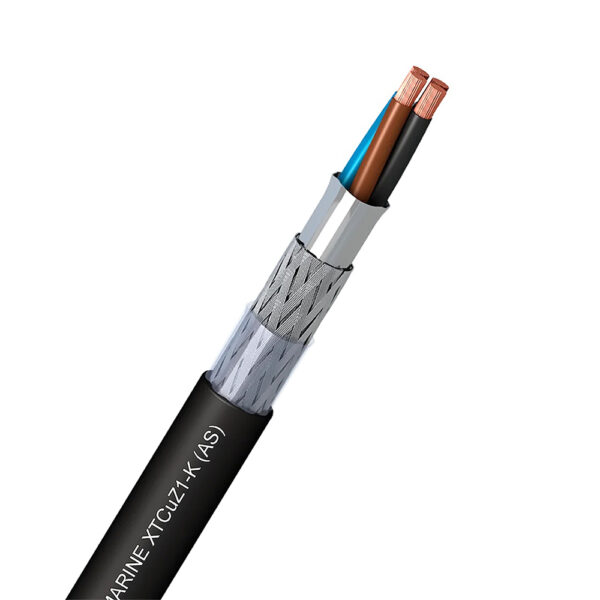
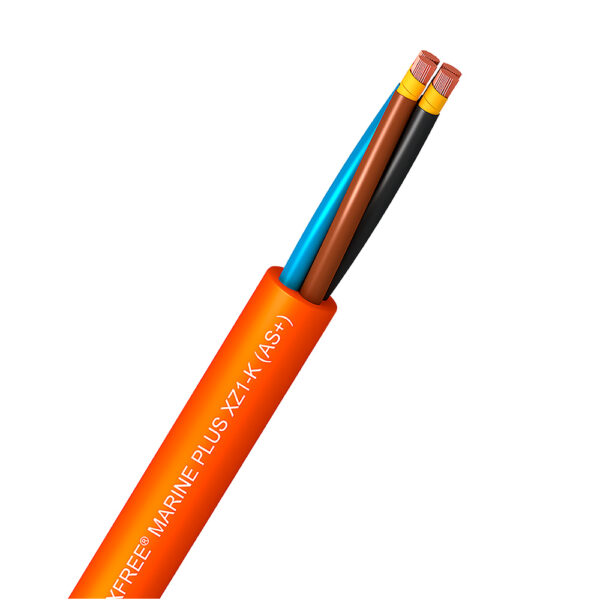
TOXFREE MARINE PLUS XTCuZ1-K (AS+) with bedding , The Toxfree Marine Plus XTCuZ1-K (AS+) is specially designed to transmit electric power in the presence of fire, assuring electric supply to emergency circuits, like signalling lights, smoke extractors, acoustic alarms, water pumps, etc.
In case of fire, it does not emit toxic or corrosive gases, thereby protecting public health and avoiding any possible damage to electronic equipment.
For this reason, its use is recommended in public places and marine applications.